
Planning a Road Trip to the Northern Areas? Your Complete Car Checklist
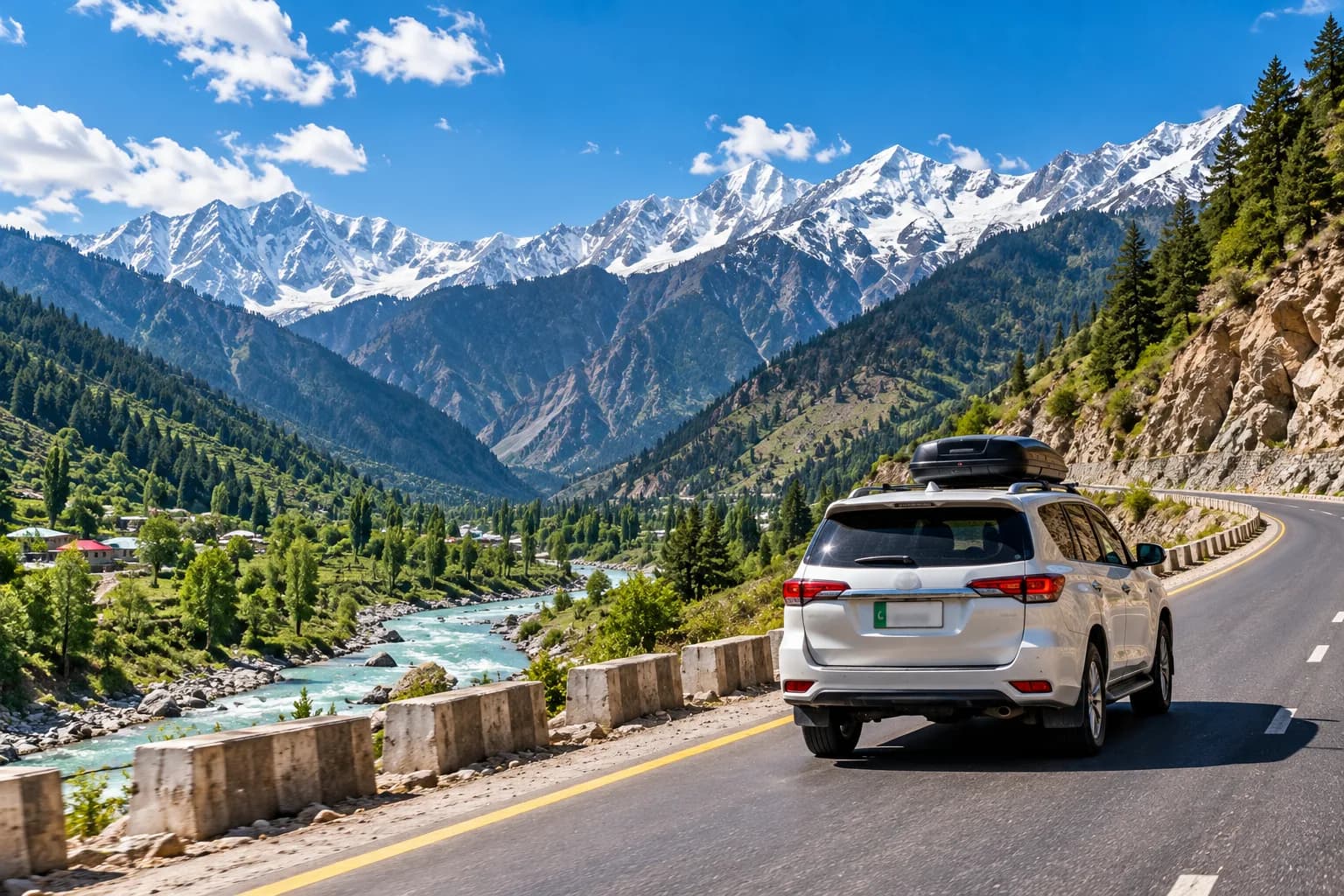
Few things beat a road trip to Pakistan's northern areas. Green valleys in Naran and Kaghan, the snow-capped peaks of Hunza, the cold desert of Skardu and the endless turns of the Karakoram Highway make it a journey every Pakistani driver dreams of. But mountain roads are very different from city roads and motorways.
Long climbs, steep descents, gravel sections, landslides, sudden weather changes and long stretches with no workshop nearby can push any car to its limit. A little preparation before you leave makes the difference between a trip you remember for the views and one you remember for the breakdown. Here is your complete car checklist.
Why Your Car Needs Extra Preparation for the North
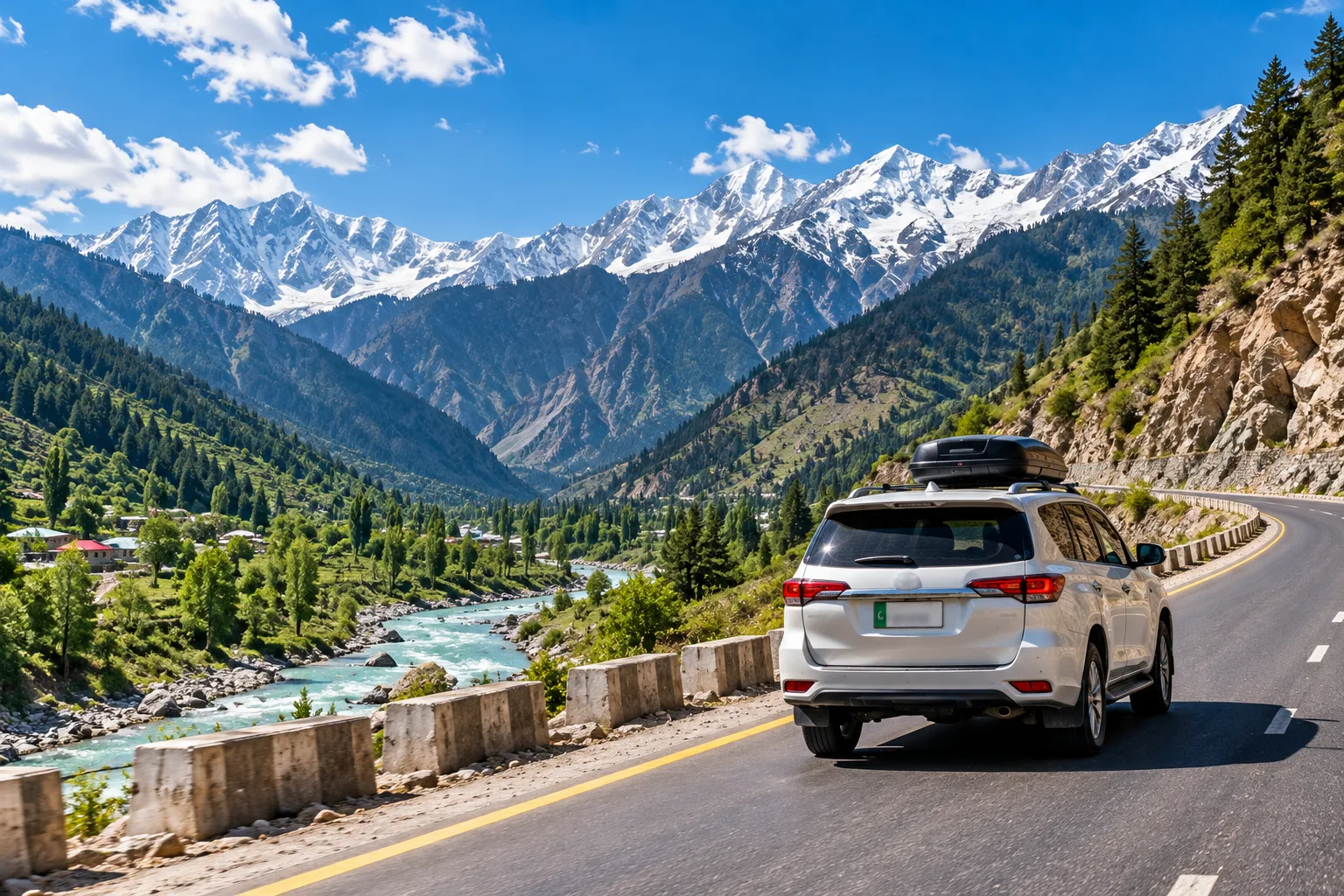
On mountain roads, your engine works harder while climbing, your brakes work harder on the way down, and your suspension takes a beating on broken or unpaved sections. Popular routes such as Babusar Top, the Karakoram Highway and the road to Skardu include sharp bends, high altitudes and areas with weak mobile signal. Problems that seem small in the city, like a weak brake pad or old coolant, can become serious far from help.
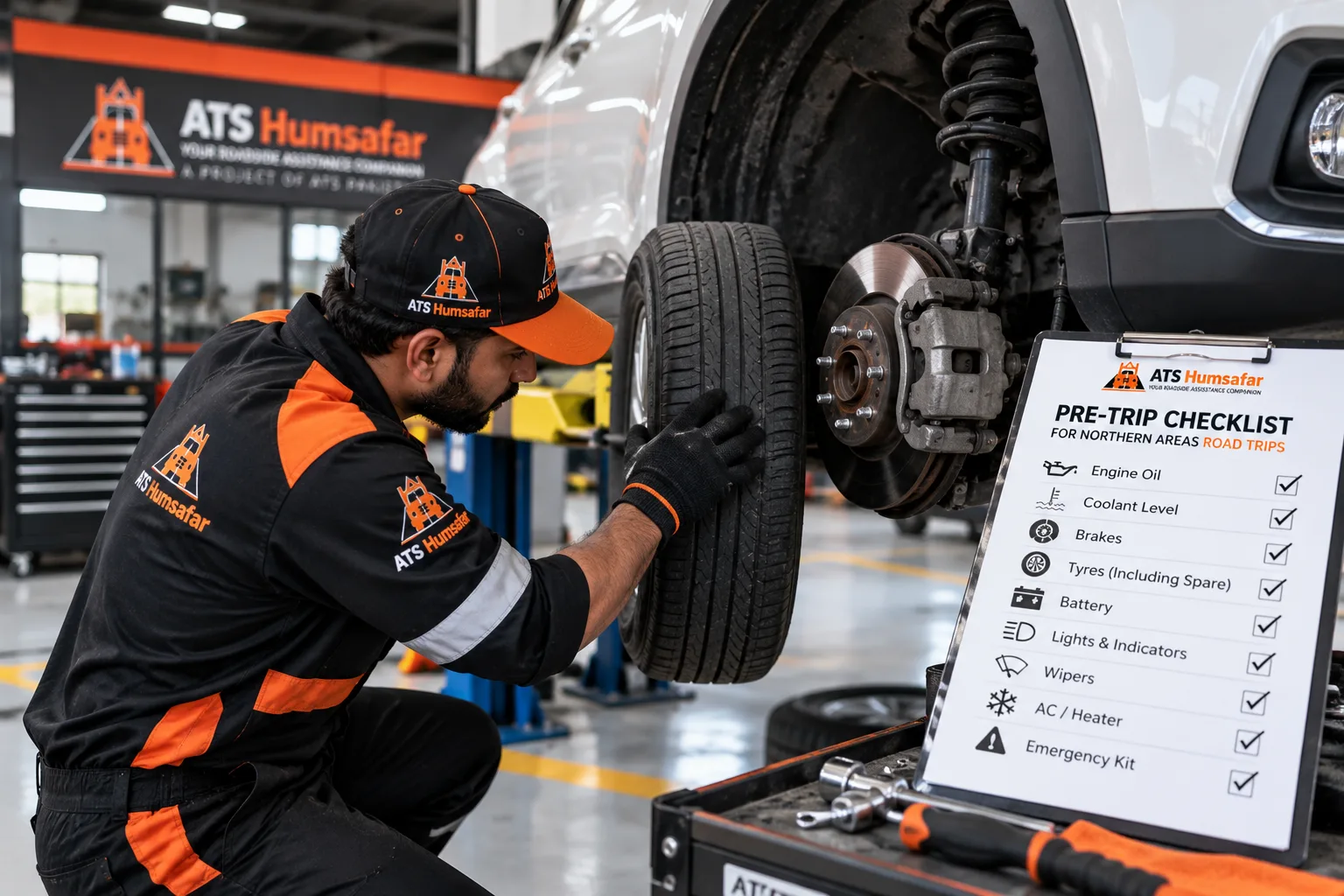
Complete Car Checklist Before You Leave
Get these checks done at a trusted workshop at least a few days before your trip, so there is time to fix anything that comes up.
1. Brakes
Brakes are the most important part of a mountain trip. You will be braking for hours on long descents. Have the brake pads, discs and brake fluid checked, and replace anything that is worn. Old brake fluid can boil under heavy use and make the pedal feel soft.
2. Engine Oil and Filters
Change the engine oil and oil filter if they are due, and replace a dirty air filter. Climbing steep roads puts heavy load on the engine, and clean oil protects it.
3. Cooling System
Long climbs in low gears can make the engine run hot. Check the coolant level and condition, the radiator, hoses and radiator fan. Replace plain water with proper coolant.
4. Tyres
Check tread depth and look for cuts or bulges on the sidewalls, including the spare. Set the correct pressure when the tyres are cold. Tyres with good grip are essential on wet, gravel or icy roads.
5. Suspension and Steering
Broken roads are hard on shocks, bushes, ball joints and steering parts. Have them inspected, and get wheel alignment done if the car pulls to one side.
6. Lights, Wipers and Battery Health
Make sure headlights, fog lights, brake lights and indicators all work. Replace worn wiper blades and fill the washer bottle. Ask your mechanic to test the battery, as cold mornings at high altitude are hard on weak batteries.
7. Clutch and Gearbox
You will use low gears a lot on steep roads. If the clutch slips or gears feel hard to change, get it checked before you go, not on the side of a mountain.
What to Pack in Your Car
- Spare tyre in good condition, jack and wheel spanner
- Basic tool kit, tow rope and warning triangle
- Extra bottle of engine oil and coolant
- First aid kit and any personal medicines
- Warm clothes and blankets, even in summer, as nights get cold
- Drinking water and dry snacks for long stretches without shops
- Torch with spare batteries and a power bank
- Offline maps downloaded on your phone
- Copies of your CNIC, driving licence and vehicle registration
Mountain Driving Tips for a Safe Journey
- Use a lower gear on long descents and let the engine help with braking, instead of riding the brake pedal.
- Drive in daylight. Mountain roads are much more dangerous after dark.
- Keep fuel above half a tank, as petrol pumps can be far apart.
- Honk before blind turns and stay on your side of the road.
- Give way to vehicles climbing uphill on narrow sections.
- Check weather and road updates before leaving, because landslides and snow can close routes such as Babusar Top, which usually opens only in the summer months.
- Take a break every two to three hours to rest and let the car cool down.
What to Do If Your Car Breaks Down on the Way
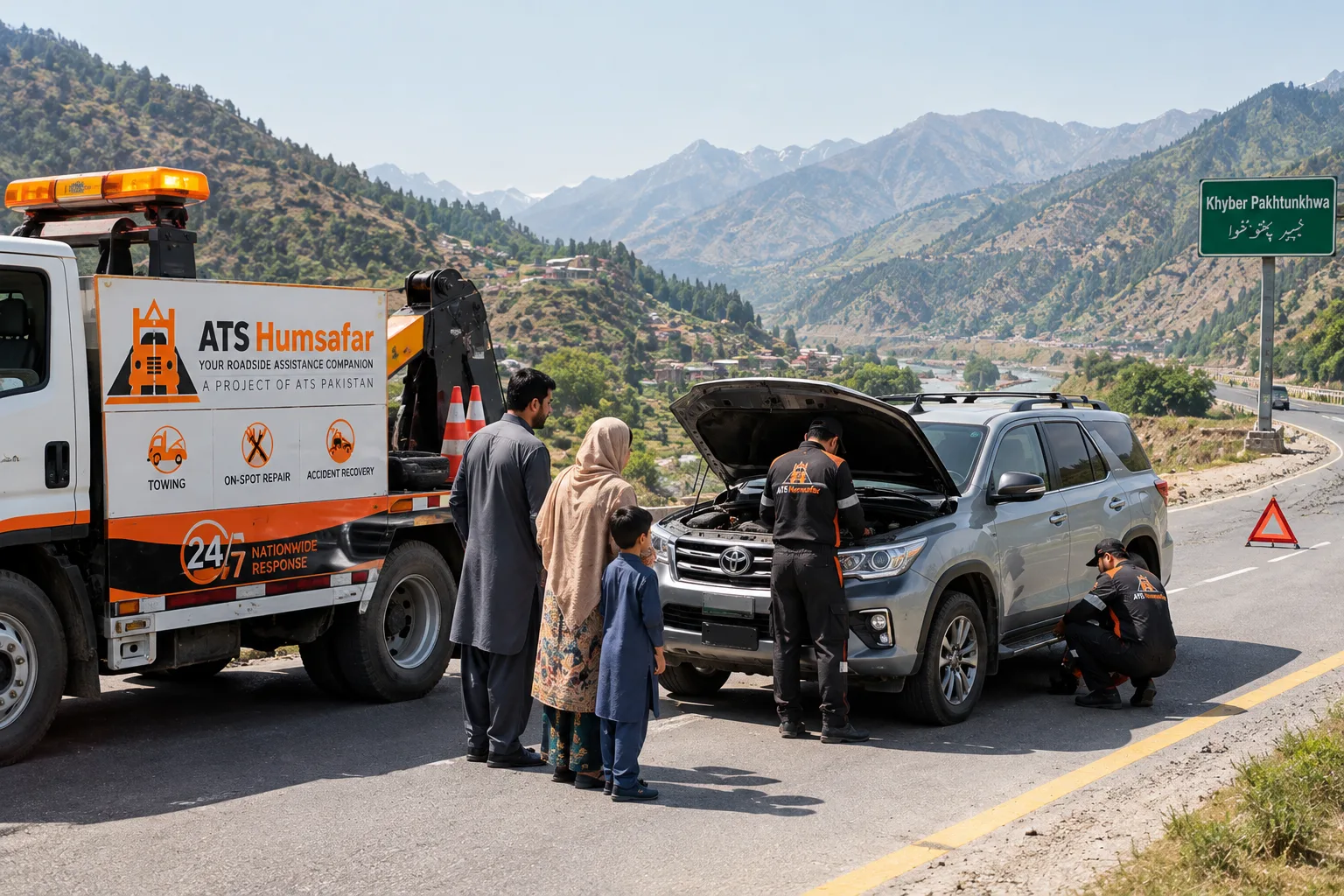
Even well-prepared cars can face a mechanical problem. If it happens, move the car as far off the road as possible, switch on the hazard lights and place a warning triangle behind it, especially near bends. Keep everyone away from traffic and avoid standing on the edge of the road where it drops away.
Most of the journey north runs through Punjab and Khyber Pakhtunkhwa, on the motorways and highways out of Lahore, Islamabad and Peshawar. ATS Humsafar operates across these provinces 24/7. If your car develops a mechanical fault on the way, our crew can fix it on the spot where possible, tow it safely to a workshop if needed, and arrange an alternate vehicle if required, so your family trip can continue.
Frequently Asked Questions
Can a small car go to the northern areas?
Yes, many small cars reach Naran, Hunza and other popular destinations on paved routes, as long as the car is in good condition. For rough or unpaved roads, a car with higher ground clearance or a 4x4 is a better choice.
When is the best time for a road trip to the north?
Late spring to early autumn is the most popular time, when most roads, including Babusar Top, are usually open. Always check current road conditions before you travel.
How early should I service my car before the trip?
Ideally one week before leaving, so there is time to replace any parts and test-drive the car.
Heading North? Travel With a Real Humsafar
Enjoy the views and leave the worry to us. ATS Humsafar provides 24/7 on-spot mechanical repair, safe towing and alternate vehicle arrangement if required across Punjab, Sindh, Balochistan and KPK. Save our number before you set off.
- Call now: 0800-11192
- WhatsApp: +92 324 1111612
- Get the Shield Plan for cars & SUVs at Rs. 6,000 per year
- Download the ATS World app (Google Play & App Store)
Stranded right now? Don't read the rest of the blog, call or message us.